


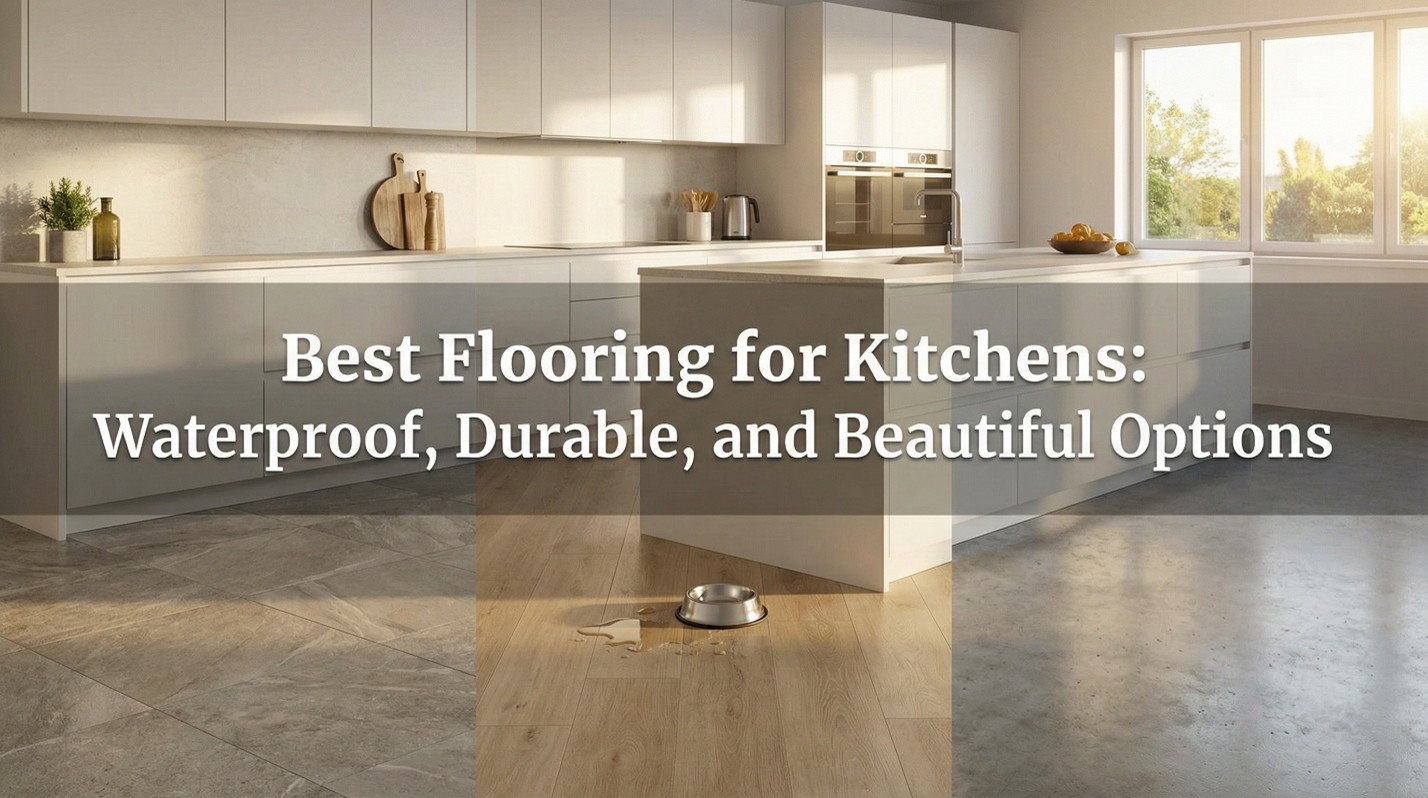
Discover the ideal kitchen flooring that combines practicality with aesthetic appeal at BPS Southeast Flooring in Rutherfordton. Whether you are in Rutherford, Polk, or Cleveland County this comprehensive guide explores waterproof, durable, and beautiful flooring options, helping you choose the perfect foundation for your culinary space. From resilient luxury vinyl to classic ceramic tile and innovative waterproof laminate and wood, find the perfect fit for your home.
The kitchen, often hailed as the heart of the home, is a hub of activity, creativity, and connection. It's where meals are prepared, families gather, and memories are made. However, this constant activity comes with its challenges, particularly for the flooring. Spills, dropped utensils, heavy foot traffic, and fluctuating temperatures demand a floor that is not only visually appealing but also exceptionally resilient. Choosing the right kitchen flooring means striking a delicate balance between waterproof capabilities, long-lasting durability, and undeniable beauty. This article will delve into the top flooring options that meet these crucial criteria, helping you make an informed decision for your culinary sanctuary.
Before exploring specific flooring types, it's essential to understand the key factors that make a kitchen floor truly suitable for its demanding environment. First and foremost, waterproof properties are crucial. The kitchen is inherently prone to moisture from accidental spills, overflowing sinks, and leaky dishwashers. A waterproof floor prevents moisture from seeping into the subfloor, protecting against costly damage, mold growth, and structural issues. Secondly, durability is paramount. Kitchen floors endure significant wear and tear, needing to withstand heavy foot traffic, the impact of dropped items, and the constant movement of chairs and appliances. A durable floor resists scratches, dents, and scuffs, maintaining its appearance for years to come. Thirdly, aesthetics play a pivotal role in the overall design and ambiance of the space. The flooring should complement your cabinetry, countertops, and decor, enhancing the kitchen's visual appeal and reflecting your personal style. The versatility in design, color, and texture is crucial for achieving the desired aesthetic. Additionally, maintenance is a key consideration; in a busy kitchen, ease of cleaning is paramount. The ideal flooring should be simple to wipe clean, resistant to stains, and require minimal upkeep. Finally, while often overlooked, the comfort underfoot and warmth of a kitchen floor can significantly impact daily comfort, especially for those who spend extended periods standing or cooking.
Top Flooring Options for Kitchens
Luxury Vinyl Plank (LVP) and Luxury Vinyl Tile (LVT)
Luxury Vinyl Plank (LVP) and Luxury Vinyl Tile (LVT) have rapidly become a favorite for kitchen flooring due to their exceptional blend of performance and style. These multi-layered synthetic flooring products are designed to mimic the look of natural wood or stone with remarkable realism. Their core is typically composed of PVC, making them inherently stable and water-resistant.
A significant advantage of LVP/LVT is its 100% waterproof nature, making it an ideal choice for kitchens where spills are inevitable. This impermeability protects your subfloor and prevents moisture-related issues. Furthermore, LVP/LVT is highly durable, engineered to withstand the rigors of daily life, and remarkably resistant to scratches, dents, and scuffs, making it perfect for high-traffic areas like the kitchen. The wide range of designs available, including an extensive array of colors, patterns, and textures, allows LVP/LVT to convincingly replicate the appearance of hardwood, ceramic tile, or natural stone, enabling seamless integration with any kitchen aesthetic. Unlike hard surfaces such as ceramic tile, LVP/LVT offers a more comfortable underfoot feel and is warmer, which can be a welcome relief during long cooking sessions. Many LVP/LVT products feature click-lock systems, making them easy to install for DIY enthusiasts, though professional installation is always an option. Lastly, LVP/LVT is incredibly low maintenance, requiring only regular sweeping and occasional damp mopping to keep it looking its best.
However, there are a few considerations. While durable, sharp objects can potentially puncture the surface, and prolonged exposure to direct sunlight may cause some fading over time. Additionally, LVP can be more expensive than some traditional laminate options.
Ceramic and Porcelain Tile
Ceramic and porcelain tiles have been a classic choice for kitchens for centuries, and for good reason. Both are made from clay and other natural materials fired at high temperatures, but porcelain tile is denser, less porous, and generally more durable than ceramic tile.
These tiles offer excellent water resistance, with porcelain tile boasting an incredibly low water absorption rate (less than 0.5%), making it highly resistant to moisture and an excellent choice for kitchens. They are also extremely durable and long-lasting, renowned for their longevity and ability to withstand heavy use without showing significant wear. Their resistance to scratches, stains, and heat makes them a robust option for the kitchen environment. Tiles provide a vast array of designs, offering unparalleled flexibility with an almost limitless selection of colors, patterns, sizes, and textures, from rustic to contemporary. Furthermore, tiles are great for radiant heating systems as they are excellent conductors of heat, an ideal choice if you plan to install radiant floor heating for added comfort.
On the other hand, the inherent hardness of tile can make it hard and cold underfoot, which can be uncomfortable for prolonged standing, especially in cooler climates. Grout lines require maintenance, as they are susceptible to staining and need regular cleaning and sealing to maintain their appearance and prevent mold growth. Some glazed tiles can become slippery when wet, posing a potential safety hazard, though opting for textured or matte finishes can mitigate this risk. Installation can be complex and costly, often requiring professional expertise, which adds to the overall expense. Finally, the unforgiving surface of tile means that dropped items may break, with dishes or glassware almost guaranteed to shatter.
Waterproof Laminate Flooring
Laminate flooring has come a long way from its early iterations. Modern waterproof laminate options now offer a compelling combination of aesthetics, durability, and moisture resistance, making them a viable contender for kitchen spaces. These floors feature a high-density fiberboard (HDF) core, a photographic layer that mimics wood or stone, and a protective wear layer, with waterproof versions incorporating enhanced core and edge sealing technologies.
Waterproof laminate products offer good water resistance, specifically engineered to resist spills and moisture, making them suitable for kitchen environments. They also feature a durable wear layer, providing excellent protection against scratches, dents, and general wear, ensuring the floor maintains its appearance even in busy kitchens. Laminate serves as an affordable alternative to hardwood or stone, offering a similar aesthetic at a fraction of the cost. Installation is often easy, with many products featuring click-lock systems, allowing for relatively straightforward setup. With advanced printing technology, waterproof laminate can convincingly replicate a wide variety of looks, including a vast array of wood species and stone patterns, offering significant design flexibility.
However, it's important to note that while waterproof laminate is highly resistant to surface spills, it is not as waterproof as LVP or tile. Some laminates are very close to LVP, but most are topically waterproof. If prolonged exposure to standing water or moisture penetrates around the perimeter of the room, it still can cause damage. Laminate can sometimes be noisy underfoot, producing a hollow sound when walked upon, though this can be mitigated with proper underlayment. Most laminate flooring is not suitable for radiant heating systems. Lastly, compared to the longevity of tile or high-quality LVP, entry level cost laminate generally has a shorter lifespan, typically around 10 years.
Waterproof Hardwood Flooring
This is a newer category of flooring that had come into the market within the past few years. There are different types of waterproof hardwoods. One type is from Bjelin. It has a petrified wood surface that enhances the scratch resistance and dent resistance. The unique locking system keeps moisture on the surface of the floor and does not let moisture through the joints of the wood. This allows the flooring to be used throughout the whole home to give that seamless installation and color through the home.
Another couple of types are from Proximity Mills. The core of the plank flooring is SPC which gives it the waterproof features. Just like a luxury vinyl flooring, it clicks together and has a thin wood veneer on the surface. This gives the wood flooring more dent resistance to things being dropped on it. It also gives it the waterproof properties that are needed for kitchens and other wet areas.
Beyond the choice of material, several other factors influence the success and longevity of your kitchen flooring project. Subfloor preparation is crucial for any flooring installation; it must be clean, dry, level, and structurally sound to prevent issues like buckling, gapping, or premature wear. Regarding installation, while some flooring types offer DIY-friendly options, professional installation ensures proper technique, adherence to manufacturer warranties, and a flawless finish, especially for complex installations like tile. Establishing a realistic budget is also important, as flooring costs can vary significantly based on the material, quality, and installation method. Finally, always review the manufacturer's warranty for your chosen flooring to understand what is covered, for how long, and any conditions that might void it.
Choosing the best flooring for your kitchen involves a thoughtful evaluation of waterproof capabilities, durability, and aesthetic appeal. Luxury Vinyl Plank (LVP) and Luxury Vinyl Tile (LVT) stand out for their 100% waterproof nature, exceptional durability, and vast design options. Ceramic and porcelain tiles offer unmatched water resistance and longevity, albeit with a harder underfoot feel and the need for grout maintenance. Waterproof laminate provides an attractive and affordable alternative, delivering good moisture resistance and durability with a wide range of styles. Waterproof Hardwood Flooring offers you the options to have a seamless wood flooring installation through the whole home for a simpler and cleaner look.
Ultimately, the ideal kitchen floor is one that aligns with your lifestyle, budget, and design preferences. Consider how your family uses the kitchen, your tolerance for maintenance, and the overall aesthetic you wish to achieve. By carefully weighing these factors and exploring the options presented, you can select a kitchen floor that is not only beautiful but also built to withstand the demands of daily life for years to come.


