


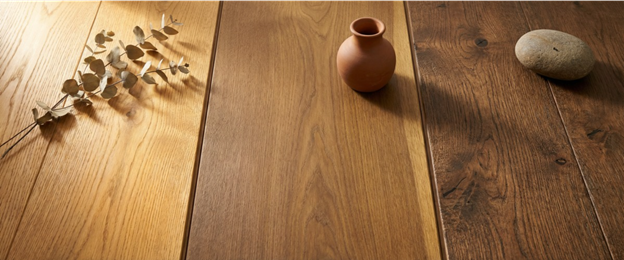
After years dominated by cool grays and stark whites, interior design is experiencing a significant shift towards warmer, more inviting aesthetics. This resurgence is particularly evident in flooring, where rich, earthy wood tones like honey, caramel, and chestnut are becoming increasingly popular. These shades evoke a sense of comfort, coziness, and connection to nature, aligning perfectly with biophilic design principles that seek to bring the outdoors in. The move away from cooler palettes reflects a desire for spaces that feel grounded, authentic, and deeply welcoming, transforming houses into true homes.
Honey wood flooring, with its golden, sun-kissed hues, brings an undeniable brightness and warmth to any room. Reminiscent of golden fields and warm sunbeams, honey tones create an inviting and cheerful atmosphere. This versatile shade can range from a light, airy golden oak to a deeper, richer amber, often featuring natural variations, prominent knots, and distinct wood grain patterns. Honey wood is particularly well-suited for traditional, rustic, and farmhouse-style interiors, where its classic charm can truly shine. It also works beautifully in transitional spaces, adding a touch of timeless elegance. When it comes to complementary colors, honey wood pairs exceptionally well with cool neutrals like crisp whites, soft grays, and muted blues, which help to balance its inherent warmth without making the room feel overly saturated. Earthy greens, creams, and even some terracotta shades can also create a harmonious and sophisticated palette. For a more contemporary look, consider pairing honey wood with sharp blacks or deep charcoals to create striking contrasts.
Caramel wood flooring offers a rich, inviting warmth that is both classic and incredibly versatile. These shades typically fall into the medium brown category, ranging from lighter, buttery caramel tones to deeper, more intense variations, often with subtle reddish or golden undertones. Caramel wood exudes a sense of understated luxury and sophistication, making it a popular choice for a wide array of interior design styles. It seamlessly integrates into traditional, contemporary, and even minimalist settings, providing a stable and elegant foundation for diverse decor. The depth and character of caramel wood are often enhanced by brushed textures and matte finishes, which highlight its natural beauty and create a captivating play of light and shadow. When considering complementary colors, caramel wood pairs beautifully with a broad spectrum. Warm neutrals like beige, cream, and taupe create a cohesive and serene environment. For a pop of color, consider rich jewel tones such as emerald green, sapphire blue, or deep burgundy, which can add a touch of drama and elegance. Lighter, brighter colors can also be used to create contrast and prevent the space from feeling too heavy. The key is to choose colors that complement their inherent warmth without clashing.
Chestnut wood flooring is celebrated for its deep, rich, and often rustic character, offering a timeless aesthetic that brings profound visual depth to any space. Typically presenting as a medium to dark brown, chestnut can feature subtle reddish or golden undertones and is often characterized by a straight to spiral or interlocked grain with a coarse, uneven texture. This wood is prized for its natural imperfections, such as flecking, knots, mineral streaks, splits, and cracks, which, when properly filled in pre-finished flooring, add immense character and ruggedness. Chestnut's historic legacy makes it particularly suited for restoration projects, but its enduring appeal also makes it a perfect fit for traditional, rustic, and even some industrial-inspired designs. It has excellent thermal and acoustic insulation properties, contributing to a comfortable indoor environment. Complementary colors for chestnut wood often lean towards warm and earthy palettes. Deep greens, muted oranges, and terracotta shades can enhance its natural warmth and rustic charm. Lighter neutrals like cream, beige, and soft grays can provide a beautiful contrast, preventing the space from feeling too dark or heavy. For a sophisticated look, consider pairing chestnut with deep blues or even some shades of purple, which can create a luxurious and inviting atmosphere. The goal is to embrace its inherent depth and character while ensuring overall balance.
Selecting the ideal warm wood shade—honey, caramel, or chestnut—for your home involves considering several key factors to ensure a harmonious and aesthetically pleasing result. Each shade brings its own unique personality and impact to a space:
Room Size and Natural Light: Lighter shades like honey can make smaller rooms feel more expansive and brighter, especially in spaces with limited natural light. Caramel offers a balanced approach, providing warmth without overwhelming the room. Chestnut, being a darker shade, can add intimacy and sophistication to larger rooms or those with ample natural light, but might make smaller, dimly lit spaces feel more enclosed.
Existing Decor and Furniture: Consider the colors and styles of your current furniture, wall paint, and decorative elements. Honey wood often complements lighter, more traditional or farmhouse styles. Caramel is highly adaptable, fitting well with both classic and contemporary furnishings. Chestnut, with its rich depth, pairs beautifully with antique pieces, rustic decor, or even modern industrial elements.
Desired Ambiance: Do you envision a bright and cheerful space, a sophisticated and inviting retreat, or a cozy and rustic haven? Honey creates a lively and open feel. Caramel offers a refined and welcoming atmosphere. Chestnut provides a sense of grounded elegance and warmth.
Personal Preference: Ultimately, the best choice is the one that resonates most with your personal style and makes you feel most at home. Spend time looking at samples in your space under different lighting conditions to see how the colors truly appear.
I.Honey Shade: Characteristics are golden, bright, cheerful, sun-kissed. Ideal Design Styles include Traditional, Rustic, Farmhouse, Transitional. Complementary Colors are Whites, Grays, Muted Blues, Earthy Greens, Creams, Terracotta, Sharp Blacks.
II.Caramel Shade: Characteristics are rich, inviting, versatile, sophisticated. Ideal Design Styles include Traditional, Contemporary, Minimalist. Complementary Colors are Beige, Cream, Taupe, Emerald Green, Sapphire Blue, Deep Burgundy, Lighter Bright Colors.
III. Chestnut Shade: Characteristics are deep, rustic, timeless, profound visual depth. Ideal Design Styles are Traditional, Rustic, Industrial, Restoration. Complementary Colors are Deep Greens, Muted Oranges, Terracotta, Cream, Beige, Soft Grays, Deep Blues, Purples.
The return of warm wood tones in flooring marks a beautiful evolution in interior design, offering homeowners the opportunity to create spaces that are not only stylish but also deeply comforting and personal. Whether you are drawn to the bright and cheerful glow of honey, the rich and versatile appeal of caramel, or the deep and rustic charm of chestnut, embracing these warm shades will undoubtedly infuse your home with an inviting ambiance and timeless elegance. By carefully considering the unique characteristics of each shade and how they interact with your home's specific environment, you can confidently choose the perfect warm wood flooring to transform your living spaces into havens of warmth and style.


