


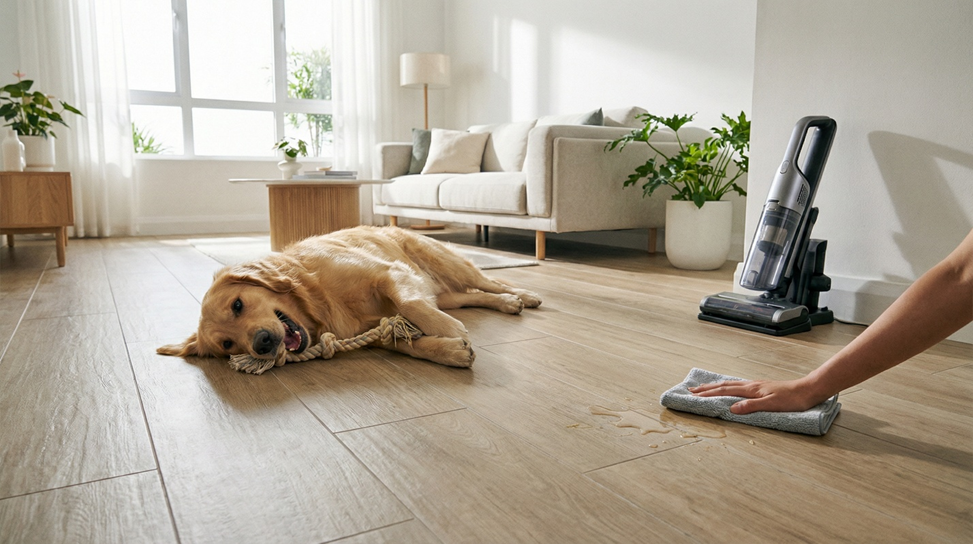
Choosing the right flooring for a home with pets is crucial for maintaining a clean and comfortable living space. This guide explores durable, water-resistant, and easy-to-clean flooring options that stand up to pet accidents, scratches, and everyday wear, ensuring.
The Pet Owner's Flooring Dilemma
For many, pets are cherished family members, bringing immense joy and companionship. However, pet ownership also presents unique challenges, particularly concerning flooring. From muddy paw prints and shedding fur to inevitable accidents and playful scratches, our floors endure the daily activities of our furry friends. Selecting the right flooring isn't just about aesthetics; it's about creating a harmonious environment that is both durable enough to withstand pet-related wear and tear and easy to maintain. This guide will delve into essential factors for pet-friendly flooring, explore top options, and provide practical tips for keeping your floors pristine, ensuring a happy home for both you and your beloved pets.
Key Considerations for Pet-Friendly Flooring
When seeking the perfect pet-friendly flooring, several critical factors should guide your decision. Balancing durability, ease of maintenance, and pet comfort is paramount.
Durability and Scratch Resistance
Pets, especially dogs, can be tough on floors. Their claws can leave unsightly scratches, and energetic play can accelerate wear. Therefore, selecting flooring with high durability and scratch resistance is essential to avoid frequent repairs and replacements.
Water Resistance and Stain Protection
Accidents happen—spilled water bowls, tracked-in messes, or potty mishaps. Highly water-resistant flooring with superior stain protection is non-negotiable for pet owners. This prevents liquids from seeping into subfloors, causing damage, odors, and potential mold growth.
Ease of Cleaning
Pet ownership often means more frequent cleaning. Ideal pet-friendly floors should be easy to clean, allowing for quick and effective removal of fur, dirt, and accidents. Smooth, non-porous surfaces are generally easier to wipe down and sanitize.
Traction
While smooth surfaces are easy to clean, traction is important, especially for older pets or those with joint issues. Overly slippery floors can lead to falls and injuries. A moderate level of grip provides stability and comfort for pets.
Comfort
Most of our pets spend significant time on the floor. Flooring material offering some comfort and warmth can enhance their well-being. Hard, cold surfaces might be less appealing for prolonged periods.
Noise Reduction
Claw clicks, playful romps, and excited barks can amplify on hard flooring. Materials that offer noise reduction contribute to a quieter, more peaceful home environment for both humans and pets.
Top Flooring Choices for Homes with Pets
Based on these considerations, several flooring options excel for pet owners.
1. Luxury Vinyl Plank (LVP) and Luxury Vinyl Tile (LVT)
LVP and LVT are consistently ranked among the best options for homes with pets [1] [2] [3]. These engineered products mimic natural wood or stone while offering superior performance.
Pros: LVP and LVT are highly waterproof, ideal for handling pet accidents and spills without subfloor damage. They boast excellent durability and are generally scratch-resistant, standing up well to pet claws. Their smooth yet slightly textured surface provides good traction, preventing slips, and they are exceptionally easy to clean. A wide variety of styles means you don't sacrifice aesthetics for functionality.
Cons: While generally scratch-resistant, very sharp or untrimmed claws can potentially cause deep scratches. Quality varies significantly between manufacturers, so choose a reputable brand.
2. Tile (Porcelain, Ceramic, Stone)
Tile flooring, particularly porcelain and ceramic, is another top contender for pet-friendly homes [2] [4]. Natural stone tiles offer similar benefits.
Pros: Tile is extremely durable and virtually impervious to water when properly installed and sealed. It is highly stain-resistant and incredibly easy to clean, perfect for managing pet messes. The cool surface can also be a welcome relief for pets during warmer months.
Cons: Tile is a very hard surface, which can be uncomfortable for older pets or those with joint problems. It can also be slippery, so consider textured tiles or adding rugs for better grip. Grout lines require regular cleaning and sealing to prevent staining and mold. Tile can also feel cold underfoot in colder climates. Radiant Heat Systems are an option for new installations.
3. Waterproof Laminate Flooring
Modern advancements have brought about waterproof laminate flooring, making it a viable option for pet owners desiring the look of hardwood without its vulnerabilities [5].
Pros: Waterproof laminate offers a more affordable alternative to LVP/LVT while providing good scratch resistance and realistic wood or stone aesthetics. The waterproof core protects against spills and accidents.
Cons: Ensure you purchase truly waterproof laminate, as many standard laminates are only water-resistant and can be damaged by prolonged moisture. Laminates may be noisy as well since it is more rigid than LVP, so an additional underlayment may help reduce the noise of the flooring.
4. Pet-Friendly Carpeting (Specific Types)
While traditional carpeting is often avoided by pet owners, specific types of pet-friendly carpeting have emerged as excellent solutions [6].
Pros: Carpet offers unparalleled comfort for pets, providing a soft surface for resting and play. It also offers excellent traction, reducing slip risks, and significantly reduces noise. Modern pet-friendly carpets are designed with advanced stain and odor resistance. In some cases, just using carpet on stairs helps older animals get up and down without slips on hard surface steps. It is also less expensive that the other hard surface options.
Recommended Types: Look for carpets made from solution-dyed nylon or those featuring technologies like Mohawk's SmartStrand, renowned for permanent stain and soil protection [6]. Low-pile carpets are generally easier to clean and maintain. Carpets with built-in stain and odor treatments are also highly recommended.
Cons: Even with pet-friendly features, carpeting can still absorb odors if accidents aren't cleaned promptly. Deep stains can be challenging, and regular vacuuming is essential for pet hair and dander. If you install pet friendly carpet, invest in padding that is sealed and recommended against pet accidents. This will keep spills or accidents from getting into the sub floor.
5. Flooring Options to Approach with Caution (or Avoid)
Some flooring types, while beautiful, present significant challenges for pet owners.
Hardwood: Traditional hardwood floors are susceptible to scratches from pet claws and can suffer irreversible water damage from accidents. They can also be very slippery, posing a risk to pets. While some engineered hardwoods offer better scratch resistance, they generally require more diligent maintenance.
Standard Laminate: Unlike its waterproof counterpart, cheap laminate options are highly vulnerable to moisture. Pet accidents can cause planks to swell and warp, leading to costly damage.
High-Pile Carpet: While comfortable, high-pile carpets trap pet hair, dander, and odors, making them difficult to clean and maintain. They are also more prone to deep staining.
Cheap Luxury Vinyl: There are lots of LVP options available to buy, buy stay away from products that are thin and don’t use patented locking systems to ensure spills stay on the surface.
6. Maintenance Tips for Pet Owners
Even with the most pet-friendly flooring, proper maintenance is key to longevity and cleanliness.
Immediate Cleanup: Address pet accidents and spills immediately to prevent stains and odors from setting in. Flooring that has a lot of texture can be more challenging to clean once a spill or accident dries.
Regular Vacuuming and Cleaning: Frequent vacuuming manages pet hair and dander. For hard surfaces, regular sweeping and mopping with pet-safe cleaners keeps floors hygienic. Animals that shed may require daily cleaning of the floors.
Pet-Friendly Cleaning Products: Use cleaning solutions specifically designed for pet messes to effectively neutralize odors and remove stains without harming pets or flooring. Using the wrong cleaner or to strong of a cleaner my irritate an animals paws.
Protective Measures: Consider placing rugs or mats in high-traffic areas or where pets frequently eat and drink. Regularly trim your pet's nails to minimize scratches. Pet booties can also help protect floors and provide extra traction. There are a number of washable rugs on the market that can easily be thrown into the washing machine.
7. Conclusion: A Happy Home for Both You and Your Pet
Choosing the right flooring for a home with pets is an investment in both your property and your peace of mind. By prioritizing durability, water resistance, ease of cleaning, and pet comfort, you can select a flooring solution that stands up to the demands of pet ownership without compromising on style. Options like Luxury Vinyl Plank/Tile, porcelain and ceramic tile, and specialized pet-friendly carpets offer excellent performance and aesthetic appeal. With careful consideration and consistent maintenance, you can create a beautiful, clean, and safe environment where both you and your beloved companions can thrive for years to come.


