


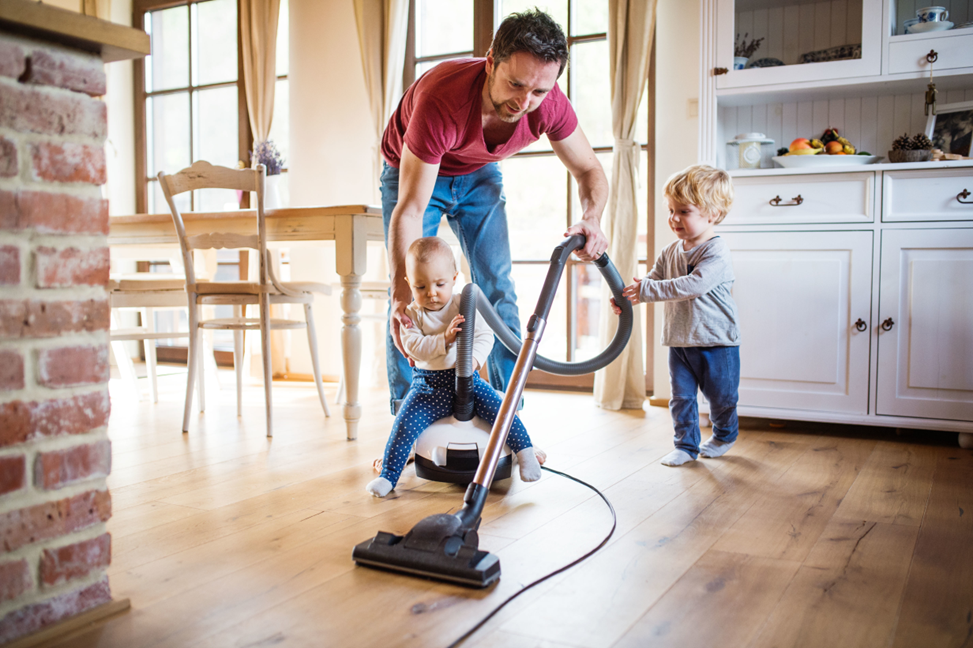
Discover the best flooring materials that offer superior scratch resistance, perfect for busy households with pets, kids, and high foot traffic. This comprehensive guide explores durable options like laminate, luxury vinyl, tile, and more, helping you choose the ideal floor to maintain its beauty and integrity for years to come.
In today's active homes, floors are constantly subjected to the relentless demands of daily life. From playful pets and energetic children to moving furniture and constant foot traffic, flooring endures significant abuse. Choosing truly scratch-resistant flooring is a crucial investment in preserving your home's aesthetic appeal and long-term value. This guide will help you navigate flooring options known for their exceptional durability and ability to withstand the rigors of an active household.
What makes a floor scratch-resistant? It's a combination of intrinsic material properties, advanced manufacturing techniques, and protective layers. Harder materials naturally offer greater resilience against scratching. Many modern flooring solutions incorporate sophisticated wear layers—which are transparent, highly durable coatings that act as a shield against surface damage.
These layers are often fortified with microscopic particles, such as aluminum oxide or ceramic coatings, to enhance protection. Manufacturing processes also improve density and structural integrity. Laminate flooring, for instance, often features an Abrasion Class (AC) rating, indicating its resistance to various forms of wear and tear, including scratches, impacts, stains, and burns. An AC1 rating is for moderate residential use, while AC5 denotes exceptional durability for heavy commercial traffic. Understanding these factors helps in making informed decisions tailored to your lifestyle.
Top Contenders: Flooring Materials That Defy Scratches
Laminate Flooring: Engineered for Endurance & Beauty
Laminate flooring has transformed significantly since its inception in 1977 as Idea 23 from Pergo. Thanks to advancements in wear-layer technology and core construction, today's laminates offer impressive scratch resistance, often surpassing some natural wood products. Its multi-layer composition typically includes a high-density fiberboard (HDF) core, a photographic layer, and a robust, clear wear layer. This wear layer is the primary defense against scratches and impacts. When selecting laminate, an AC4 or AC5 rating is paramount for homes with pets, children, or high-traffic areas. Using patented locking systems ensures waterproof joints that won’t allow spills or mopping to get past the surface. Laminate offers aesthetic versatility, replicating hardwood, stone, or tile, making it popular for those seeking beauty and durability.
Luxury Vinyl Plank (LVP) and Luxury Vinyl Tile (LVT): The Resilient Revolution
LVP and LVT are industry darlings conceived in 2012 by US Floors. It combined vinyl plank flooring onto a rigid core and put an underlayment of cork on the bottom for comfort and sound. This was the beginning of combining the aesthetic appeal of natural materials with unparalleled resilience. Composed of multiple layers, including a resilient vinyl core, a high-definition photographic layer, and a thick, transparent wear layer, they are highly resistant to scratches, dents, and scuffs. This makes them ideal for demanding environments like kitchens, bathrooms, basements, and homes with active pets and children. Their waterproof nature further enhances their appeal. While remarkably tough, heavy furniture dragged without protection can cause indentations. Using felt or silicone pads under furniture legs is a simple yet effective safeguard.
Ceramic and Porcelain Tile: The Unyielding Classics of Beauty and Durablility
Ceramic and porcelain tiles have long been synonymous with durability and scratch resistance. Manufactured from natural clays and minerals fired at high temperatures, they result in a dense, hard surface inherently resistant to scratches, abrasions, and moisture. This makes them excellent for high-traffic areas like entryways, kitchens, and bathrooms. While incredibly tough, dropping a heavy, sharp object can cause chipping or cracking. However, individual damaged tiles can often be replaced. The vast array of colors, patterns, and sizes allows for endless design possibilities.
Natural Stone: Timeless Beauty, Enduring Strength, Natural Products
Natural stone flooring, including granite, travertine, and slate, offers a luxurious aesthetic with remarkable durability. Formed over millennia under immense pressure and heat, these materials possess inherent hardness, providing superior resistance to scratches and wear. Granite is particularly renowned for its exceptional hardness. Travertine and slate also offer significant scratch resistance. It's crucial to differentiate these from softer varieties like marble, which is more susceptible to scratching and etching. For maximum scratch resistance, opt for denser, harder natural stones. Proper sealing is essential for most natural stone floors to protect against stains.
Bamboo Flooring: The Eco-Friendly Powerhouse
Bamboo flooring is a popular eco-friendly alternative, celebrated for its rapid renewability and impressive hardness. Its natural density contributes to inherent scratch resistance, often comparable to or exceeding some traditional hardwoods. However, durability varies based on the bamboo's age at harvest, manufacturing process (e.g., strand-woven), and adhesive quality. Strand-woven bamboo is generally the most durable and scratch-resistant type, suitable for active households. While resilient, choose high-quality products from reputable manufacturers for optimal performance.
Engineered Hardwood: The Most Natural and Elegant Choice for Every Home
Traditional solid hardwood is beautiful but generally more susceptible to scratches. Engineered hardwood offers a similar aesthetic with a multi-layered construction: a real hardwood veneer bonded to plywood or HDF. This provides greater stability and moisture resistance than solid hardwood. Scratch resistance depends on the top wood veneer's hardness and the factory-applied finish quality. Some engineered hardwoods feature highly durable finishes. While some can be refinished, it's limited by veneer thickness. For homes prioritizing scratch resistance, engineered hardwood might be a compromise. Some options though are more scratch resistant than others. They have been installed in places of business and restaurants when you select the right product. With any hard surface, with the exception of tile, requiring diligent protection through furniture pads, area rugs, and regular maintenance is encouraged.
Maximizing Longevity: Tips for Maintaining Scratch-Resistant Floors
Even the most robust flooring benefits from proper care. Implementing simple habits significantly extends life and beauty. There is no set number of times to do daily types of cleaning or perform professional deep cleaning for a certain floor. Your lifestyle will be what determines this. The amount of traffic, wear, play, spills, and how you spend your life on a floor determines how to maintain it.
* Regular Cleaning: Dust, dirt, and grit are abrasive. Regular sweeping, vacuuming (with a hard floor attachment), and damp mopping (with manufacturer-recommended cleaners) remove damaging particles.
* Furniture Protection: Use felt or silicone pads under furniture legs to prevent scratches and indentations. This is good for any hard surface. It will also make moving the furniture easier when you need to move it.
* Pet Care: Keep pets' nails trimmed. Long, sharp claws cause scratches. Consider pet-friendly rugs. Be aware that some pets, when upset, will find places to make you know that they didn’t like your decision. Make sure you keep those areas clean. When going back to the same spot over and over can cause issues if not cleaned up.
* Area Rugs and Mats: Place rugs in high-traffic zones (entryways, hallways, under dining tables). Entry mats trap dirt and moisture. Rugs will need professional cleaning on occasion unless you get washable rugs. Because they catch and trap dirt, they do need to get extra cleaning over time.
* Prompt Spill Cleanup: Clean spills promptly to prevent staining or finish damage. Food spills and pet accidents can cause damage to natural flooring surfaces because of the high or low pH.
* Avoid Harsh Cleaners: Use only manufacturer-recommended cleaning products. Harsh chemicals strip finishes and leave floors vulnerable. Neutral pH cleaning products are recommended.
Choosing scratch-resistant flooring is a wise investment for any homeowner, especially those with bustling households. By understanding the properties of advanced laminate, resilient luxury vinyl, unyielding ceramic and porcelain, timeless natural stone, and eco-friendly bamboo, you can make an informed decision that balances durability, aesthetic appeal, and your specific needs.
Selecting a material known for its scratch resistance, coupled with diligent maintenance, will ensure your floors retain their beauty and structural integrity for many years to come. Consult with reputable flooring experts to explore the best options for your home. You will them in your local retail flooring stores and not usually in box stores.


