


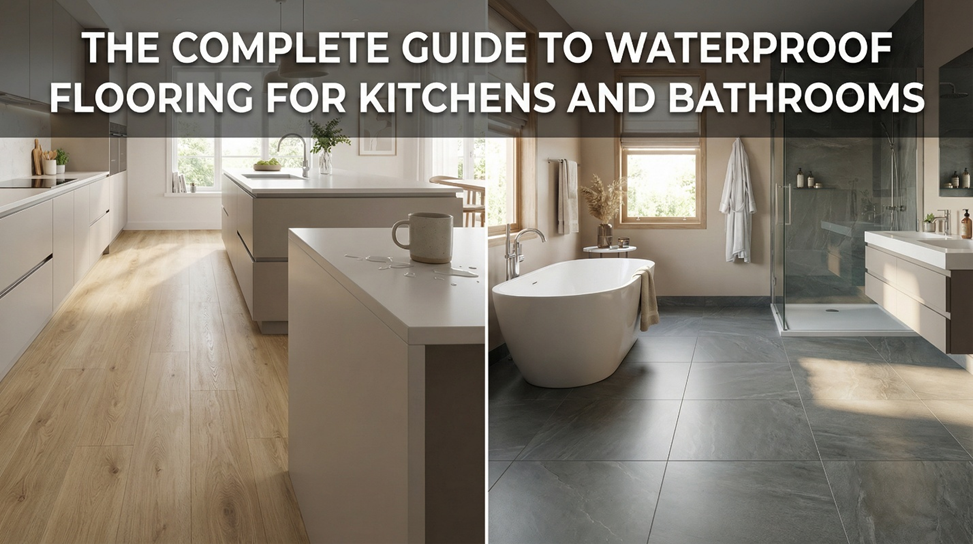
Protecting Your Home from the Ground Up
Kitchens and bathrooms are the heart of every home, and they are also the most susceptible to moisture. From accidental spills and overflowing sinks to daily humidity and steam, these areas constantly challenge traditional flooring materials. Water damage can lead to costly repairs, unsightly warping, and even unhealthy mold growth. This is where waterproof flooring becomes not just a luxury, but a necessity. Choosing the right waterproof flooring can transform these high-moisture zones into resilient, beautiful, and easy-to-maintain spaces. This guide is to help you walk through the essential benefits, popular types, and crucial considerations to help you make an informed decision for your home.
Why Choose Waterproof Flooring?
Investing in waterproof flooring offers a multitude of advantages that extend beyond mere water resistance:
Unmatched Protection Against Water Damage: The most obvious benefit is its ability to create a protective barrier against water. Unlike traditional hardwood or non-waterproof laminates, these materials prevent moisture from seeping into the subfloor, eliminating concerns about warping, swelling, buckling, and rot. This protection is vital in areas prone to leaks and splashes.
Enhanced Durability and Longevity: Waterproof flooring options are engineered to withstand the rigors of daily life in busy households. They are often highly resistant to scratches, dents, and stains, ensuring your floors look newer for longer. This durability translates to a longer lifespan for your flooring, reducing the need for frequent replacements.
Effortless Maintenance and Cleaning: Spills are inevitable in kitchens and bathrooms. Waterproof floors make cleanup a breeze. Most can be easily wiped clean with a damp mop or cloth, without fear of damaging the material. This low-maintenance aspect is a significant time-saver for homeowners.
Improved Indoor Air Quality: By preventing moisture penetration, waterproof flooring inhibits the growth of mold and mildew. These common allergens can negatively impact indoor air quality and pose health risks. A dry subfloor and flooring surface contribute to a healthier living environment.
Increased Home Value: Modern, durable, and low-maintenance flooring is a significant selling point for any home. Upgrading to waterproof options in kitchens and bathrooms can enhance your home's appeal and potentially increase its market value.
Types of Waterproof Flooring: A Closer Look
Today's market offers a diverse range of waterproof flooring options, each with unique characteristics. Let's explore the most popular choices:
1. Luxury Vinyl Plank (LVP) and Luxury Vinyl Tile (LVT)
LVP and LVT have revolutionized the flooring industry, offering a perfect blend of aesthetics and performance. These products are constructed with multiple layers, often featuring a rigid core (WPC - Wood Plastic Composite or SPC - Stone Plastic Composite) that makes them 100% waterproof. They are designed to mimic the look of natural wood or stone with remarkable realism.
Pros:
Completely Waterproof: The rigid core construction ensures these floors are impervious to water, making them ideal for any wet area.
Exceptional Durability: Highly resistant to scratches, dents, and daily wear and tear, suitable for high-traffic areas and homes with pets and children.
Comfort Underfoot: Generally softer and warmer than tile, providing a more comfortable walking surface.
Sound Dampening: The layered construction often provides better sound absorption than harder surfaces.
Versatile Design Options: Available in an extensive array of styles, colors, and textures, replicating everything from rustic hardwood to elegant marble.
Easy Installation: Many LVP/LVT products feature click-lock systems, making them suitable for DIY enthusiasts, though professional installation ensures optimal results.
Cons:
Can be more expensive than traditional sheet vinyl or some laminates.
Quality varies; ensure you choose reputable brands for long-term performance.
Leading Manufacturers: Canopy Floors, International Flooring Company (IFC), Mohawk Flooring, Mannington, TRUCOR Flooring, Revolution Mills, Newton Flooring, Happy Floors. Brands like COREtec and Shaw are also prominent in this category.
2. Porcelain and Ceramic Tile
Tile has long been the go-to choice for wet areas, and for good reason. Both porcelain and ceramic tiles are made from clay and other natural materials, fired at high temperatures to create a hard, durable surface. Porcelain tile, fired at even higher temperatures, is denser and less porous, making it inherently more waterproof than ceramic.
Pros:
Extremely Durable: Highly resistant to scratches, stains, and heavy impact.
Fully Waterproof: When properly installed with waterproof grout and sealants, tile creates an impenetrable barrier against moisture.
Vast Design Selection: Available in an endless variety of sizes, shapes, colors, patterns, and finishes, including options that mimic wood, stone, and fabric.
Easy to Clean: Non-porous surfaces are simple to wipe down and sanitize.
Cons:
Hard and Cold: Can be uncomfortable to stand on for long periods and feels cold underfoot, especially in cooler climates. Heating systems are available, but they must be done before tile installation by a professional and they can get expensive.
Grout Maintenance: Grout lines can trap dirt and require regular cleaning. Sealing to maintain their appearance and waterproof integrity helps. Grout can still catch dirt and many times requires a little more work to keep clean.
Slippery When Wet: Some glazed tiles can become very slippery when wet, requiring careful selection of textured or slip-resistant options. When putting tile is areas that are prone to be wet on the surface, use natural or honed finishes that are more slip resistant.
Complex Installation: Installation is labor-intensive and often requires professional expertise. It is important to have tile properly installed. It is an expensive project to begin with and having to tear it out because of water damage or improper installation is an extremely expensive thing to have to do.
Leading Manufacturers: Daltile, Tesoro (International Wholesale Tile), Decovita,
3. Waterproof Laminate
Modern waterproof laminate flooring is a significant advancement from its predecessors. It features a highly durable wear layer, a realistic photographic layer, and a waterproof core (often made from high-density fiberboard treated with water-repellent resins) with sealed edges to prevent moisture intrusion.
Pros:
Realistic Aesthetics: Offers convincing replications of hardwood and stone at a more affordable price point than the real materials.
More Affordable: Generally less expensive than LVP/LVT or tile, providing a budget-friendly waterproof option.
Easier Installation: Often features click-lock systems, making it quicker and less messy to install than tile.
Good Durability: The wear layer provides resistance against scratches and fading.
Cons:
Not All Laminate is Waterproof: It's crucial to ensure you are purchasing explicitly waterproof laminate, as many traditional laminates are only water-resistant and can still be damaged by prolonged moisture exposure.
Less forgiving of subfloor imperfections: While easier to install than tile, proper subfloor preparation is still crucial for a smooth, even finish.
Leading Manufacturers: Pergo, Mohawk, Newton, Johnson Hardwood, Stanton, Hallmark Hardwoods.
Key Considerations When Choosing Waterproof Flooring
Selecting the ideal waterproof flooring involves more than just picking a style. Several factors should influence your decision to ensure long-term satisfaction and performance:
1. Location and Traffic Levels
The specific area where the flooring will be installed plays a crucial role. Kitchens typically experience higher foot traffic, spills, and potential for dropped items, requiring a highly durable and impact-resistant material. Bathrooms, on the other hand, are characterized by high humidity, steam, and direct water exposure, making absolute waterproof properties paramount. Consider the intensity of use in each space; a busy family kitchen will demand more robust flooring than a guest bathroom.
2. Budget and Cost-Effectiveness
Waterproof flooring options vary widely in price, from more economical waterproof laminates to premium LVP/LVT and high-end porcelain tiles. When evaluating costs, consider not only the material price but also installation expenses, which can be significant for tile. Factor in the long-term value, durability, and maintenance requirements, as a slightly higher initial investment can lead to greater savings and fewer headaches down the line.
3. Style and Aesthetic Appeal
Your flooring choice should complement your home's overall design aesthetic. Modern waterproof options offer an incredible range of looks, from realistic wood and stone textures to contemporary patterns and colors. Consider the existing cabinetry, wall colors, and decor to ensure a cohesive and appealing interior. LVP/LVT excels in replicating natural materials, while tile offers unparalleled versatility in design.
4. Comfort and Underfoot Feel
While durability is key, comfort should not be overlooked, especially in areas where you spend a lot of time standing, like the kitchen. LVP/LVT often provides a softer, warmer feel underfoot compared to the hard, cold surface of ceramic or porcelain tile. If comfort is a high priority, consider options with integrated underlayment or those known for their resilient properties.
5. Installation Method
Different flooring types require different installation processes. Click-lock LVP/LVT and waterproof laminate can be relatively straightforward for experienced DIYers, potentially saving on labor costs. Tile installation, however, is typically more complex, requiring specialized tools and expertise for proper subfloor preparation, setting, and grouting. Professional installation is often recommended for tile to ensure a waterproof seal and a flawless finish.
Installation and Maintenance Tips
Proper installation and ongoing maintenance are critical to maximizing the lifespan and performance of your waterproof flooring:
Professional Installation for Optimal Results
While some waterproof flooring types are DIY-friendly, professional installation is often recommended, especially for tile and in areas with complex layouts. Professionals ensure proper subfloor preparation, correct installation techniques, and adequate sealing, all of which are vital for maintaining the flooring's waterproof integrity and warranty.
Regular Cleaning and Care
Waterproof floors are designed for easy maintenance. Regular sweeping or vacuuming to remove loose dirt and debris is essential. For deeper cleaning, use a damp mop with a manufacturer-recommended cleaner. Avoid harsh chemicals or abrasive scrubbers that can damage the wear layer. Promptly wipe up spills to prevent standing water, even on waterproof surfaces, to maintain hygiene and prevent potential issues with grout or seams over time.
Protecting Your Investment
Extend the life of your waterproof flooring by using felt pads under furniture legs to prevent scratches. Place entrance mats at exterior doors to trap dirt and moisture, reducing the amount of debris tracked onto your floors. Small amounts of dirt can act like sand paper to finishes wearing them down. In kitchens, consider using anti-fatigue mats in high-traffic areas like in front of the sink or stove to add comfort and further protect the flooring from impacts.
Conclusion: A Smart Investment for a Beautiful Home
Choosing waterproof flooring for your kitchen and bathroom is a smart investment that offers peace of mind, enhanced durability, and effortless style. With advancements in materials like Luxury Vinyl Plank, Luxury Vinyl Tile, and modern waterproof laminates, homeowners no longer have to sacrifice aesthetics for functionality. Coupled with the timeless reliability of porcelain and ceramic tile, there's a perfect waterproof solution for every taste and budget.
If you are considering replacing all the flooring in a home, be aware that these choices can also be used in other places in the home. Higher quality laminates can be a great options for updating a home with a durable wood plank look that can be used throughout the whole home giving it a clean look with high durability. Using the thicker waterproof WPC products in the whole home will give you a beautiful wood plank look, with the sound reduction, soft under foot feel, and easy maintenance. Tile can be a good option, but much more expensive. In some cases, when you have a concrete subfloor with a lot of traffic in and out of the home with tracking in dirt and moisture it may be the best option for long term investment. Tile also works well in hotter climate conditions to help keep the home cooler.
By carefully considering the type of flooring, your specific needs, and adhering to proper installation and maintenance practices, you can create beautiful, resilient spaces that stand up to the challenges of daily life and moisture, ensuring your home remains protected and stunning for years to come. Make the informed choice today and enjoy the lasting benefits of waterproof flooring.


