


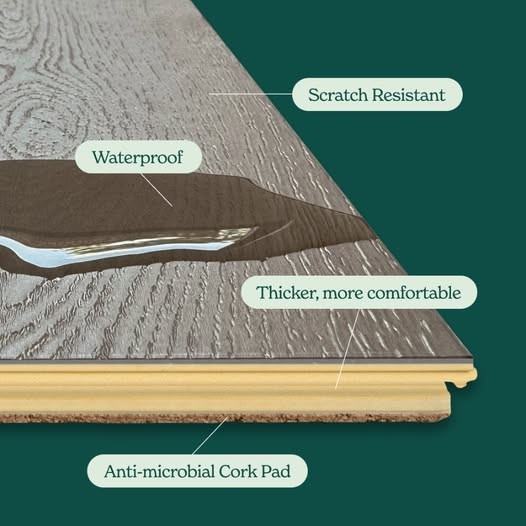
When selecting new flooring, many homeowners focus on aesthetics, color, and overall plank thickness. Another element that plays a pivotal role in how long your floors will maintain their beauty and withstand daily abuse is the “wear layer”. This transparent protective coating is the first line of defense against scratches, scuffs, stains, and general wear and tears. Some companies have their own name for it or type of wear layer. But does its thickness truly matter, and how do you choose the right one for your needs?
Let’s start with “What Exactly is a Wear Layer?”
The wear layer is a clear, protective top coating applied to the surface of luxury vinyl plank (LVP) & luxury vinyl tile (LVT). It's can made from urethane-based materials, aluminum oxide and micro ceramic options and they act as a shield, preserving the decorative layer beneath it, which features the design and color of your flooring. Without an adequate wear layer, the print of your floor would quickly diminish. The visual that you see is a vinyl print on a viny, WPC or SPC backing. The wear layer is the coating applied to the print film to keep it from scratching. When you have seen vinyl floors with white spots on it, that is wear the wear layer and print have been worn off by foot traffic.
Understanding the how the wear layer is measured in durability is important.
Wear layer thickness is measured in “mils”, where one mil is equal to one-thousandth of an inch (0.001 inches). It's important not to confuse wear layer thickness with the overall thickness of the flooring plank, which is measured in millimeters (mm). While overall plank thickness contributes to the feel and stability of the floor, the wear layer thickness is the primary measurement of its durability against everyday traffic and wear.
Most of the time, the thicker the wear layer, the more durable and long-lasting the flooring will be. This is because a thicker wear layer provides more material to resist abrasion before the decorative layer is compromised. The quality of the wear layer will make some difference as well.
Common Wear Layer Thicknesses and Their Applications:
* 6-8 mil: Usually less expensive and found in box store such as Lowes Home Depot and Floor & Décor. It is recommended for light residential traffic areas like bedrooms or guest rooms, but it does get used for whole homes many times by those on tight budgets of home flippers.
* 12 mil: This is usually the lowest you will find in displays in a retail flooring store. It is a better entry level wear layer and a good standard for general residential use, including living rooms, hallways, and kitchens. Offers a balance of durability and cost-effectiveness.
* 20 to 22 mil: This wear layer thickness is what you will find in most retail store locations. It is considered the industry standard for most residential applications and light commercial use. Provides excellent resistance to scratches and scuffs, making it ideal for homes with pets, children, or moderate foot traffic.
* 28 to 30 mil: Designed for heavy residential and commercial applications. These thicker wear layers are built to withstand significant foot traffic, heavy furniture, and demanding environments like retail stores, offices, or busy households.
The choice of wear layer thickness largely depends on the expected level of foot traffic and potential for wear. What works for a quiet bedroom will not suffice for a bustling commercial space. But if you are using it through a whole home or building, consider the heaviest areas that will be used to make the selection.
The 20 to 22 mil wear layered products will be the better choice for homes with pets. When you go lower, the life span of the flooring is lower and you will end up needing to replace it earlier. The 12 mil wear layer may be fine for small pets and moderate foot traffic. Many people choose to use the bare minimum because of the cost.
Commercial Applications:
Commercial environments demand superior durability due to constant heavy traffic and potential for more aggressive wear. Wear layers of 20 plus are common in these settings. The thick mil wear layers are designed to protect the flooring in retail spaces, offices, healthcare facilities, and other public areas where durability is paramount.
Does Overall Plank Thickness Matter?
While the wear layer is crucial for surface durability, the overall thickness of the flooring plank also plays a role in its performance and feel. Overall thickness (measured in mm) affects the stability of the plank, how well it clicks together, and the type of underlayment affect how it feels underfoot. Thicker planks can sometimes feel more substantial and luxurious, but they do not directly contribute to the floor's resistance to scratches and scuffs in the same way the wear layer does. It may affect the amount of sound you hear above and below the floor though. Thicker WPC product absorb more sound making the room quieter in the room and below the floor.
Beyond Thickness: Other Factors Affecting Durability
While wear layer thickness is a primary factor, it's not the only one determining your flooring's lifespan. Other considerations include:
* Material Quality: The quality of the core material (e.g., WPC, SPC for vinyl) and the manufacturing process significantly impact overall durability. The wrong combination can make the flooring more brittle and allow for chips and breakage easily.
* Installation: Proper installation is critical. A poorly installed floor, regardless of its wear layer, will be prone to damage. This is why floor prep is just as important as the installation. If there is a claim, they will check to see if the floor prep was done correctly.
* Maintenance: Regular cleaning and appropriate maintenance practices can extend the life of any flooring. Avoid harsh chemicals and abrasive cleaning tools. Use neutral cleaners and do not apply any polish on the flooring.
* Surface Coatings: Some wear layers include additional enhancements like ceramic bead technology or UV coatings, which further boost scratch and stain resistance.
Making an informed decision about wear layer thickness can save you money and headaches in the long run. These points tend to be the main things to consider. Durability is the first to consider. If you don’t have large pets or animals that are hard on the flooring, you may not need the more expensive options. Your lifestyle and family life is something to consider. If you have lots of traffic from everyone in your family, you may not only want to consider the durability, but also it helps with sound. The benefit of larger and thick flooring options is that they are also more realistic in their looks. The thing that may determine the over all purchase abilities is the budget. Higher quality products with longer warranties tend to cost more. You can still get good products for less, but avoid box store to find them. Retail stores may have a limited color selection in budget friendly options, but long term they usually perform better.
The wear layer is indeed a critical component of your flooring, and its thickness absolutely matters. It's the invisible shield that protects your investment and keeps your floors looking beautiful for years to come. By understanding the role of the wear layer and choosing the appropriate thickness for your specific needs, you can ensure your flooring stands up to the demands of daily life, proving that sometimes, what you can't see makes all the difference.
Retrieved from Understanding LVP Thickness and Wear Layer - ReallyCheapFloors.com


