


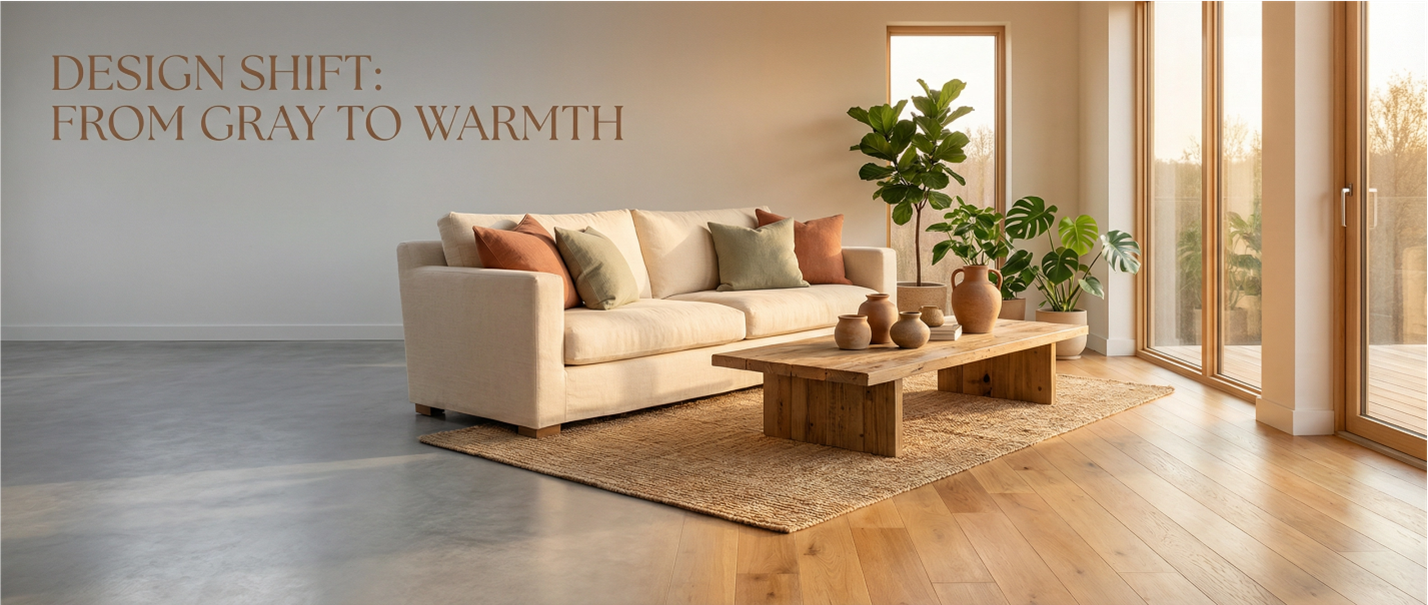
For the better part of a decade, gray flooring dominated interior design, offering a sleek, modern, and often minimalist backdrop to countless homes. Its neutrality and ability to pair with a wide array of colors made it a go-to choice for homeowners and designers alike. However, as we step into 2026, a significant shift is underway. The cool, sometimes stark, aesthetic of gray is being replaced by the comforting richness of warm wood tones, signaling a desire for more inviting and grounded living environments.
Gray flooring, particularly in shades of ash and cool charcoal, rose to prominence during a period that favored industrial chic, Scandinavian minimalism, and contemporary design. It offered a clean, sophisticated, and often expansive feel to spaces. Its popularity was undeniable, appearing in everything from luxury vinyl planks to engineered hardwood and even tile. Yet, like all trends, its pervasive presence eventually led to a yearning for something fresh, something that offered a different emotional resonance within the home.
The move away from gray is not merely a rejection of a past trend but an embrace of a more profound design philosophy. Homeowners are increasingly seeking spaces that evoke comfort, coziness, and a connection to the natural world. This desire for warmth is manifesting in several key ways:
A Return to Comfort and Coziness
After years of cool, often impersonal interiors, there's a collective longing for homes that feel like sanctuaries. Warm wood tones inherently bring a sense of comfort and intimacy. They absorb light rather than reflecting it harshly, creating a softer, more welcoming ambiance that encourages relaxation and connection.
The Influence of Natural and Earthy Palettes
Inspired by biophilic design principles, which seek to connect occupants with nature, earthy colors and natural textures are gaining significant traction. Warm wood tones fit seamlessly into this aesthetic, complementing palettes of clay, terracotta, sage, and muted greens that are prevalent in paint and textile trends for 2026. This creates a harmonious and organic feel throughout the home.
The Enduring Appeal of Warm Wood Tones
Beyond mere trend cycles, warm wood tones offer a host of benefits that contribute to their growing popularity and enduring appeal.
Versatility Across Design Styles
One of the most compelling advantages of warm wood flooring is its incredible versatility. Whether your aesthetic leans towards bohemian, transitional, organic modern, or classic, warm wood tones provides a foundational element that can adapt and enhance. Light natural oak, for instance, brightens a living room and supports minimalist or Scandinavian-inspired designs, while rich chestnut laminate can create a cozy feel in family rooms. This adaptability ensures that your flooring remains relevant even as your personal style evolves.
Timelessness and Longevity
Unlike trends that can quickly date a home, warm wood tones possess a timeless quality. They have been a staple in interior design for centuries, and their current resurgence is a testament to their lasting appeal. Investing in warm wood flooring means choosing a foundation that will remain stylish and elegant for years to come, providing a sense of permanence and grounding.
Depth, Richness, and Character
Warm wood tones, from golden oak to honey pine and rich browns, bring an unparalleled depth and richness to a living space. They often feature natural variations in grain and color that add character and visual interest, making each floor unique. Softer, more inviting finishes, including matte and low-sheen options, further enhance this natural beauty, creating a lived-in and authentic feel.
As we look at the specific warm tones or shades in 2026 gaining momentum, several stand out as key players in the 2026 flooring landscape:
I. Honey Oak: A classic choice that offers a bright, inviting glow, perfect for creating a cheerful and open atmosphere.
II. Natural Oak: A versatile option that showcases the inherent beauty of wood with subtle variations and a clean, organic feel.
III. Caramel: A mid-tone that strikes a perfect balance between light and dark, adding warmth without overpowering a room.
IV. Chestnut: A deeper, richer tone that brings a sense of sophistication and traditional elegance, ideal for creating a cozy, luxurious feel.
V. Rich Browns: Encompassing a range of deeper hues, these tones provide a strong, grounding presence and pair beautifully with both classic and contemporary furnishings.
Designers are also moving away from pronounced gray and ash tones in wood, choosing natural warm colors instead. The emphasis is on authentic wood aesthetics, often with softer finishes that feel inviting and lived in.
While aesthetics drive much of this trend, practical considerations remain crucial. Modern flooring options ensure that you can achieve the desired warm wood look with various materials, each offering distinct benefits:
Hardwood: The quintessential choice for natural beauty and longevity. Brands like Johnson Hardwood, Hallmark Hardwood Flooring, and Mirage Floors offer premium, handcrafted options. The National Wood Flooring Association (NWFA) provides extensive resources on installation and maintenance, ensuring your investment lasts.
Luxury Vinyl Plank (LVP) & Luxury Vinyl Tile (LVT): Excellent for active households, LVP and LVT offer remarkable durability, water resistance, and realistic wood aesthetics. Manufacturers such as Canopy, Stanton, and Proximity Mills provide a wide array of warm wood-look options that are both stylish and practical.
Laminate: A budget-friendly and highly durable option, laminate flooring from brands like Newton and Mohawk can convincingly replicate the look of warm wood, offering excellent scratch resistance and ease of maintenance.
The shift from cool gray to warm wood tones in flooring for 2026 is more than just a passing fad; it reflects a deeper desire for comfort, connection to nature, and timeless elegance in our homes. By embracing the rich, inviting hues of honey oak, caramel, and natural browns, homeowners can create spaces that are not only stylish and on-trend but also deeply personal, welcoming, and enduring. As interior design continues to evolve, the warmth of wood will undoubtedly remain a cherished foundation for beautiful living.


